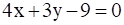
Reduce each of the following equations to normal form :
(i) x + y - 2 = 0
(ii) 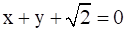
(iii) x + 5 = 0
(iv) 2y – 3 =0
(v) 4x + 3y - 9 = 0

If the equation is in the form of ax + by = c, to get into the normal form we should divide it by  , so now
Divide by  =
= 
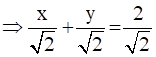

This is in the form of  , where
  and
and 
Conclusion:  +
+  =
=  is the normal form of x + y - 2 = 0
(ii) 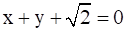
⇒x + y = - √2
If the equation is in the form of ax + by = c, to get into the normal form, we should divide it by , so now
Divide by 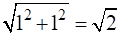
Our new equation is 
This is in the form of  , where
  and p =1
Conclusion: 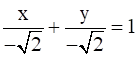 is the normal form of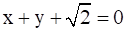
(iii) 
If the equation is in the form of ax + by = c, to get into the normal form, we should divide it by , so now
Divide the equation by 
Our new equation is 
This is in the form of  , where
  and p = 5
Conclusion:  is the normal form of
(iv) 
If the equation is in the form of ax + by = c, to get into the normal form, we should divide it by , so now
Divide by 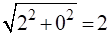
Our new equation is 
This is in the form of  , where
  and
and 
Conclusion:  is the normal form of
(v) 
If the equation is in the form of ax + by = c, to get into the normal form, we should divide it by  , so now
Divide by 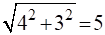
Our new equation is 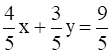
This is in the form of  , where
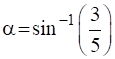 or
or 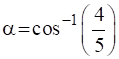 and
and 
Conclusion: 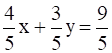 is the normal form of