Answer the following questions in about 30 words.
(i) How does the unequal distribution of heat over the planet earth in space and time cause variations in weather and climate?
(ii) What are the factors that control temperature distribution on the surface of the earth?
(iii) In India, why is the day temperature maximum in May and why not after the summer solstice?
(iv) Why is the annual range of temperature high in the Siberian plains?
(i) The air and the ocean currents are responsible in the variations in weather and climate. As the earth receives uneven isolation from the sun due to its tilt axis, the areas get unevenly heated. More over the air and water currents carry the heat from one area to other and therefore the climate changes.
(ii) The factors that control temperature distribution on the surface of the Earth are as follows:-
• The latitude of the place- The temperature depends on the isolation received which differs from place to place
• The altitude of the place- The temperature decreases with increase in altitude known as normal lapse rate i.e. 1°C per 167 m.
• Distance of the sea- This depend on the land and sea breeze which regulates the temperature of a place.
• Air-mass and Ocean currents- The air and ocean currents regulates the temperature of a place.
(iii) India is located around the northern hemisphere. Summer sets in India from March end. So in May the summer is at its peak therefore the day temperature is maximum. On 21st June, the sun rays fall directly on the northern hemisphere i.e. 23.5°N. After 21st June, the monsoon sets in India which brings a cooling effect to the country.
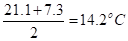
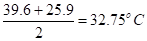
(iv) Annual range of temperature is the difference between the mean temperature of the warmest and the coldest months. In Siberia the mean January temperature both at 80°N and 50°N is -20°C and in July it is more than 10°C. Therefore the annual range of temperature is high.
Couldn't generate an explanation.
Generated by AI. May contain inaccuracies — always verify with your textbook.